
Precision metal stamped parts for medical devices: medical-grade materials & clean room control
Published: 2026 06 08
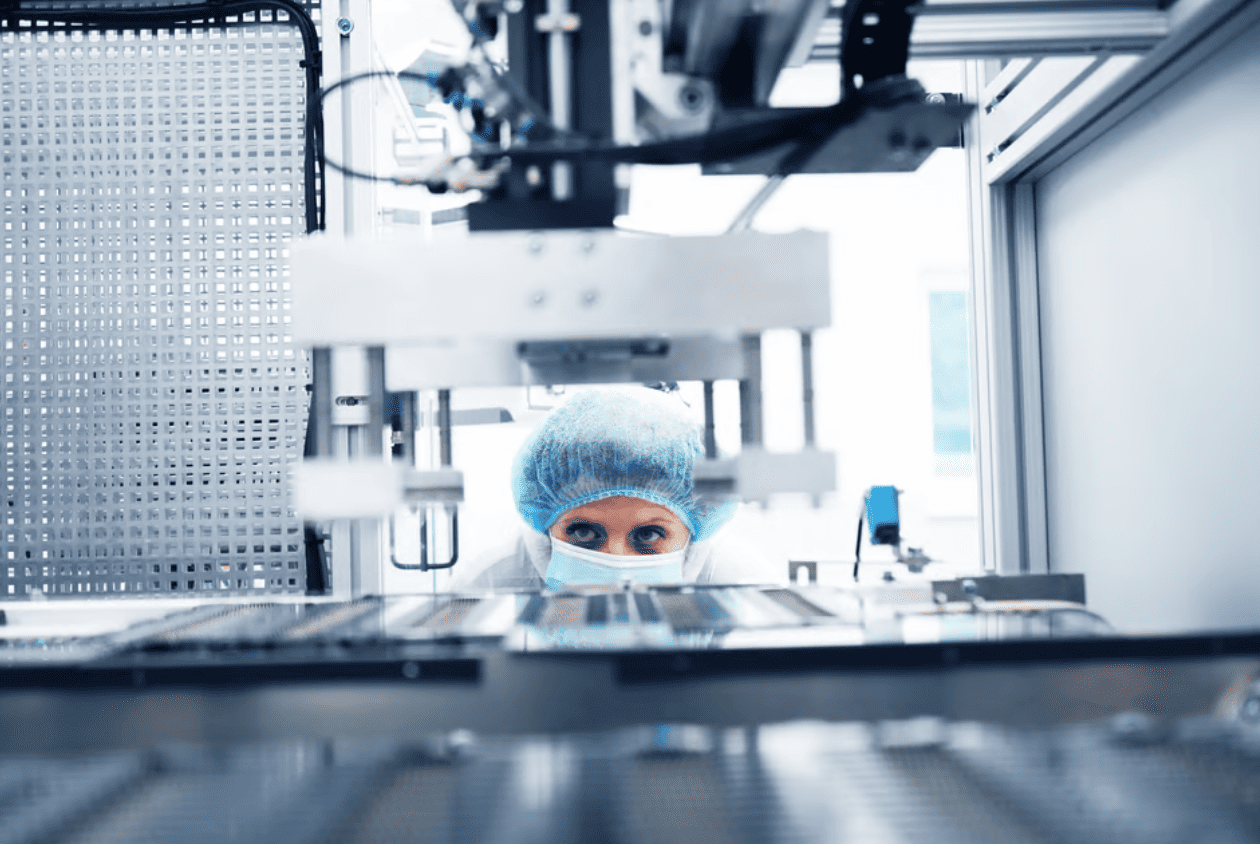
When it comes to medical devices, every component – even the smallest metal stamped part – has to perform. They need to be biocompatible, withstand sterilization, and meet tolerances often measured in microns. This kind of work calls for specialist manufacturers with traceable materials, clean room facilities and the right regulatory approvals. Stamping suits medical components well – it's repeatable, scales efficiently, and produces parts small enough for minimally invasive devices.
At Lesjöfors, our legacy in springs, pressings, and stampings stretches back over 170 years, and our medical-grade components are trusted by device manufacturers across the globe. In this blog, we explore the materials, manufacturing processes, and regulatory requirements behind precision metal stamped parts for medical devices, and what to look for when choosing a supplier.
Medical-grade materials for precision metal stamping
Material choice shapes everything about a medical part – how it interacts with the body, how it stands up to sterilization, how it performs mechanically, and whether it meets regulatory requirements.
Stainless steel grades (316L, 17-7 PH, 301)
Stainless steel is one of the most widely used materials in medical devices. The various grades offer distinct advantages:
- 316L is common in surgical instruments and implants, offering excellent corrosion resistance and biocompatibility.
- 17-7 PH is precipitation-hardened and the preferred grade choice for spring-tempered stamped components.
- 301 offers superior strength and can be used where biocompatibility requirements are less strict.
Titanium, nitinol, and specialty alloys
Other materials used in precision metal stamped parts for the medical industry include:
- Titanium and titanium alloys are widely used in implantable devices.
- Nitinol offers shape-memory and superelastic properties. It's used in stents, guidewires, and catheter components.
- MP35N (cobalt-chromium-nickel-molybdenum) offers high strength and corrosion resistance.
- Platinum-iridium combines conductivity with biocompatibility, making it suitable for neurostimulation and cardiovascular implants.
Material traceability and compliance
Material choice is only part of the picture. ISO 13485-certified manufacturers must be able to trace every part back to its raw material at every stage of production. This should be supported by mill certificates, material test reports, and certificates of conformity for each production run.

Manufacturing processes and design considerations
Several stamping processes are used in the manufacture of precision metal parts for the medical device industry. The right choice depends on geometry, thickness, and production volume.
Progressive die stamping
Progressive die stamping moves a metal strip through a series of dies in a single press, with each station performing a different operation. It's fast, repeatable, and cost-effective at high volumes.
Deep draw stamping
Deep draw stamping forms three-dimensional shapes that are deep relative to their width. It's commonly used for housings, casings, and enclosures, including pacemaker and defibrillator enclosures, where a seamless, leak-tight structure is essential.
Micro-stamping
Micro-stamping is used for components below 0.05 mm in thickness, such as battery springs, electrical contacts, and catheter tips. It requires tighter tooling and specialist handling to keep parts accurate at such small sizes.
Tolerances, tooling, and design for manufacturability
Progressive tooling can hit tolerances as tight as ±0.005 mm, but doing so consistently depends on getting the design right. Choices like material thickness, bend radii, feature spacing, and draft angles all affect how much the tooling costs, how fast it runs, and how many parts get rejected.
For high-volume, repeatable parts, stamping outperforms CNC machining on cost, speed, and consistency. Machining remains the better choice for complex geometry or very low volumes where tooling investment isn't justified. Multi-stage tooling allows forming, piercing, and trimming in a single press cycle. This requires more engineering work upfront, but saves time in production.
Manufacturing and clean room regulatory compliance
The manufacturing environment and secondary washing process is essential. Contamination, residual oils, or handling errors can compromise a component that needs to work inside the human body.
ISO clean room classifications for medical stamping
Clean rooms are classified under ISO 14644-1, which grades them by how many airborne particles are allowed. ISO Class 7 is the most common standard g, using HEPA-filtered air. ISO Class 8 is acceptable for components going to terminal sterilization further down the line. Clean room control covers handling, packaging, and transport.
ISO 13485 certification
ISO 13485:2016 is the international quality management standard for manufacturing medical devices. It sets out requirements for how suppliers manage design, production, traceability, risk, and change control – everything that affects whether a component is safe to use in a regulated medical device. Country-specific certifications and regulations may also apply depending on the target market, such as FDA QMSR in the US, EU MDR in Europe, and UKCA marking in the UK. Lesjöfors has four dedicated ISO 13485:2016 medical manufacturing sites across Slovakia, Germany, China and Sweden.
Cleanliness validation and packaging
For medical devices, cleanliness is checked and preserved through transport and into the customer's own sterile processing. This involves testing for airborne particles and bacterial contamination, checking for residues, and using protective packaging.

Applications across medical devices
Precision metal stamped parts appear in a wide range of medical devices, from disposable diagnostic tools to long-term implants.
Drug delivery devices and autoinjectors
Autoinjectors, pen injectors, and inhalers rely on precision springs to deliver accurate, repeatable doses. Tolerance failure means dose failure. Continuous glucose monitoring (CGM) devices use compression springs to control sensor attachment.
Surgical instruments and minimally invasive tools
Stampings are used in laparoscopic instruments, surgical staplers, endoscopic tools, and blood lancet testing units. The growth of minimally invasive surgery is driving demand for smaller, more precise components, with some stamped parts manufactured at thicknesses below 0.1 mm in thickness.
Implantable device components
Implantable devices set the highest bar for stamped components. They need to be biocompatible and mechanically reliable for years inside the body. Pacemaker and defibrillator enclosures are typically deep-drawn titanium. Orthopedic fixation hardware, cardiovascular components, and neurostimulation enclosures all rely on the same stamping principles.
How to evaluate a precision metal stamping supplier
The right stamping partner should be able to show strong credentials in three areas: certifications, manufacturing and testing, and documentation.
Certifications, capabilities, and documentation
A medical stamping supplier should hold ISO 13485 and ISO 9001 as a minimum, alongside clean room certification for the ISO class they operate in. IATF 16949 may also be relevant where components are shared across medical and automotive applications.
Look for in-house tooling and die design, measurement and inspection capability, and routine cleanliness testing. Documentation should include approval and inspection reports, with full batch traceability from raw material through to finished part. Suppliers should also have formal change control processes in place.
Why partner with Lesjöfors
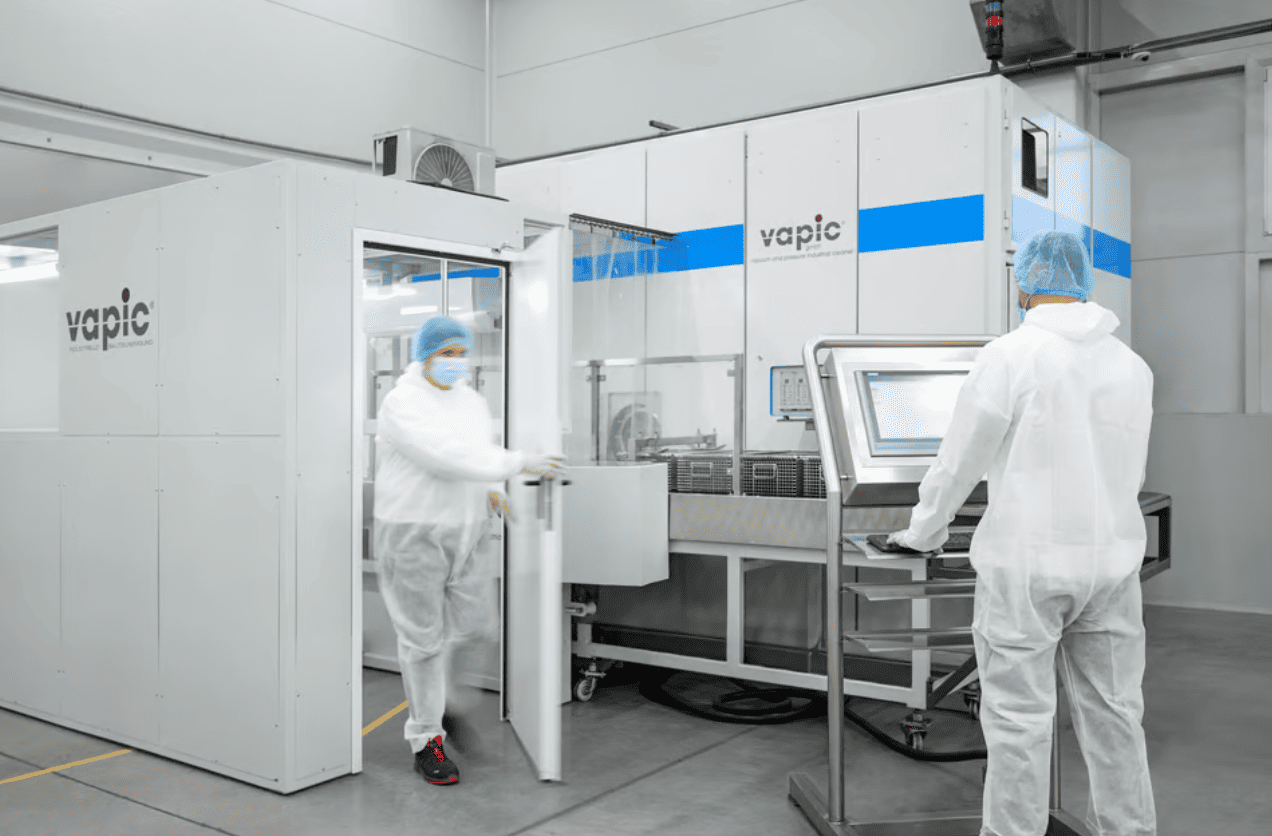
Our medical-focused sites in Sweden, Slovakia, China, and Germany combine ISO 13485-certified quality systems with clean room and white-room production. With medical-grade materials, we meet the strictest global standards for safety and hygiene. Full batch traceability and formal change control keep every part compliant from raw material through to finished product. We provide inspection and approval documentation to match each customer's requirements.
Our in-house engineering teams manage the full production process – from initial design to final inspection. We also work with customers on sustainable design for drug delivery devices and other applications where circular thinking matters. Trained personnel produce stamped parts in dedicated controlled environments. Where required, we carry out additional cleaning and packaging in validated white-room conditions.
Get precision metal stamped parts for medical devices
Lesjöfors delivers precision metal stamped parts for medical devices that meet the highest standards of safety, compliance, and performance. We deliver scalable stamping capability from rapid prototypes through to high-volume production, including integrated spring and stamping sub-assemblies often needed for drug delivery, diagnostic, and surgical applications.
To discuss your project requirements, get in touch with our team or explore our medical capabilities in more detail.